
Whoa! This hit me last week while I was digging through a messy wallet. Really? Yes — Solana transactions can be fast and tiny, and somethin’ about that speed hides a lot of nuance. I like tools that surface the mess without pretending it’s tidy. Initially I thought a plain transaction list would do, but then I realized the explorer’s context (program logs, token metadata, and the NFT mint view) changes everything.
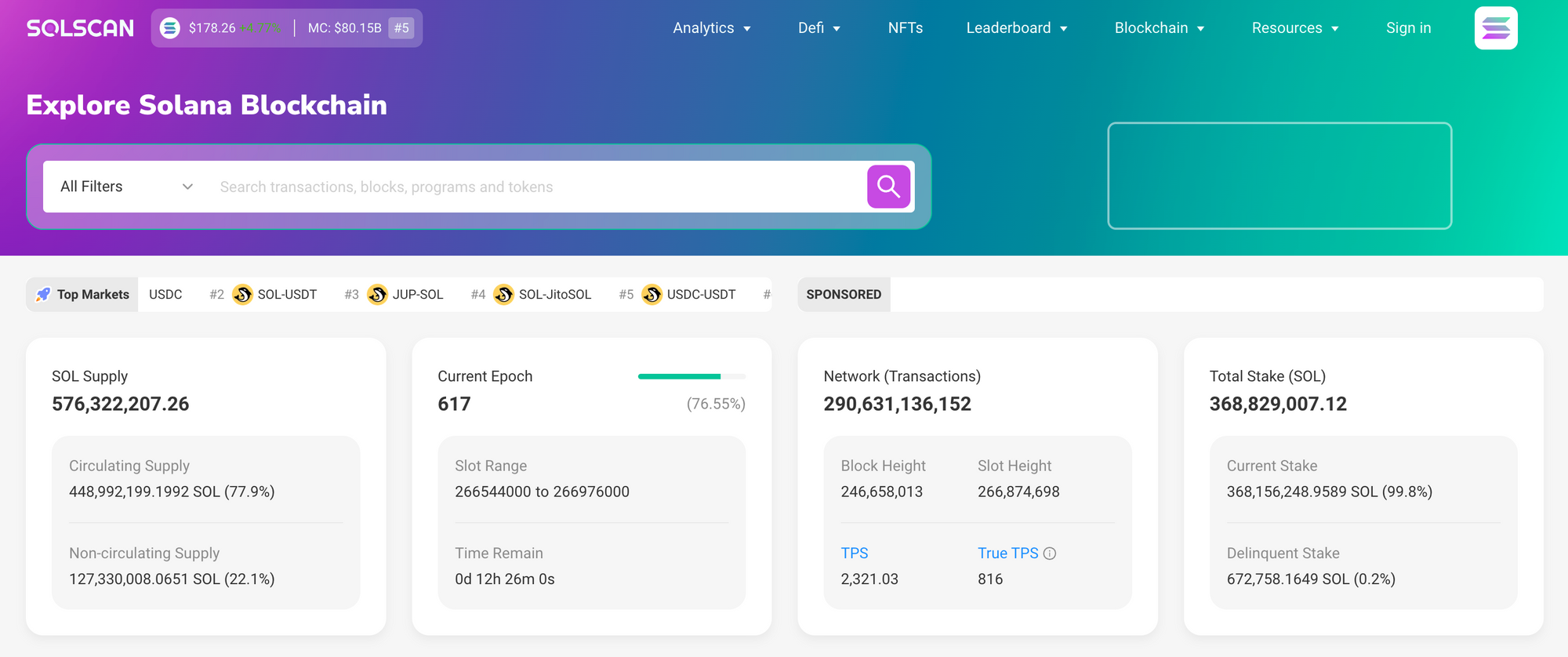
Here’s the thing. Solscan isn’t just a block browser. It layers data in ways that make detective work practical for everyday users. My instinct said “look at the logs first” when a weird transfer popped up. On one hand, the transaction hash tells you the what and when; though actually, the inner instructions and account changes tell you the who and why.
Really? Look at the NFT pages. They show the minted metadata, holders, recent sales, and a simple owner history that helps you spot wash trades or unusual airdrops. The UI gives price charts for collections, and you can track token holders across time. I’m biased, but that holder-distribution view is my favorite quick-risk-check — it tells you if a single wallet controls a collection.
Whoa! Also: the program log decoding is a lifesaver. It unpacks inner instructions emitted by programs like Metaplex or Candy Machine so you can see mint steps and failures. In practice this means you can confirm whether a mint actually went through or whether an on-chain program reverted something silently. It’s a detail most people miss until it bites them.
Hmm… small practical tip. When investigating a suspicious NFT, start at the mint transaction, then trace to the metadata account, and finally examine associated program accounts. The sequence flags common scams: duplicate metadata, off-chain-hosted assets that disappeared, or collections with suspiciously centralized supply. I once traced a disappearing image to a bad IPFS hash — it was tedious, but the explorer showed the breadcrumb trail.
Whoa! API lovers, take note. Solscan exposes REST endpoints that let you automate lookups and monitor addresses. The API is straightforward for balance checks, token transfers, and contract calls. For indexers building alerts, this kind of access saves hours of re-parsing raw RPC responses. But — and this is important — rate limits and paginated endpoints mean you still have to design for robustness.
Really? Address watchlists are simple to set up inside the explorer, and they help tame alert noise by filtering for specific programs or token mints. In my experience, a focused watchlist beats broad monitoring every time because you reduce false positives. On the flip side, overly narrow filters miss unusual patterns that often matter most when hunting rug pulls.
Here’s the thing. When you dig into transfer patterns for an NFT collection, look beyond price. Check token movement velocity, clustering of transfers within a few addresses, and the top-10 holder concentration. These metrics, combined, give you a more realistic risk profile than floor price alone. And if you care about provenance, cross-reference creators’ signing keys (if present) with marketplace payouts and verified handles.
Whoa! UX quirks — they bug me. The layout sometimes buries program logs behind tabs, and that slows a quick audit. Still, the tradeoff is worth it: compact views for casual checks, deep pages for forensic dives. I like toggling raw JSON when I need absolute fidelity, though it’s not for everyone.
Seriously? For developers, the decoded instruction traces and raw transaction hex are gold. You can replay behavior in a local testnet and confirm exactly which accounts mutated. This avoids guesswork when you’re debugging a token program or an NFT minting flow, and it often surfaces subtle authority mismatches that cause permission failures.
Here’s the thing. Trust signals matter in on-chain explorers. Verified collection badges, metadata integrity checks, and external links to creator profiles (where available) reduce friction for new users. But no explorer replaces skepticism — always double-check contract addresses and avoid copying links from untrusted DMs. (oh, and by the way…) if a free mint asks for authority approvals, pause and inspect the instruction list.)
Really? Want to quickly verify an NFT’s image provenance? Check the metadata URI in Solscan, then verify the CID or http(s) host. If the metadata points to mutable hosting (like a personal server) that’s a risk vector. Immutable links (IPFS CIDs, Arweave) are preferable, though sometimes creators update metadata intentionally — which is fine if the change is transparent and signed by the proper key.
Try it for yourself
If you want a quick look or to bookmark the explorer I use, check the official Solscan page: https://sites.google.com/cryptowalletextensionus.com/solscan-explorer-official-site/ It’s where I often start when I sniff out odd behavior — and yes, it’s become a reflex the way checking a bank app is for most of us.
Whoa! A couple quick workflows that I run almost daily: 1) paste a suspicious wallet and inspect token transfers and program logs. 2) open the NFT mint tx, then the metadata account, then the holder distribution. 3) if something smells off, pull the creation program logs and compare signer keys. These steps help me separate noise from signal without overthinking.
Hmm… on-chain privacy and ethics. Remember that explorers make public on-chain actions visible in human-friendly ways. That transparency is powerful for security, though it can be abused to harass wallets. Balance your curiosity with respect — don’t dox individuals or publish harassing analyses. I’m not 100% sure where the social norms will land, but I lean towards cautious disclosure.
Really? Final practical notes: keep an eye on token program upgrades, read tooltips (they often explain edge cases), and use CSV exports or APIs when you need reproducible audits. One small trick: save important tx hashes externally, because wallet UIs can hide history and you might need the explorer’s permanent record someday.
FAQ
How do I verify an NFT’s creator on Solscan?
Check the token’s metadata and creator addresses in the NFT mint view, then cross-reference the on-chain signer with marketplace payout addresses or verified social handles. If the creator key matches known, reputable sources, that’s a good sign — if not, dig deeper.
Can I monitor transfers automatically?
Yes. Use Solscan’s API or export tools to build a monitor that polls for transfers or checks address activity. Remember to handle rate limits and to prioritize relevant program IDs to avoid alert fatigue.
What should I look for when auditing a collection?
Holder concentration, recent mint activity, metadata mutability, and unusual transactions from treasury or developer wallets. Also watch for wash trading signatures — repeated buys and sells between a small set of wallets that inflate volume.